High blood pressure is a common health problem that affects millions of people worldwide. Often, people do not notice any warning signs. For this reason, it is sometimes called the silent condition. However, high blood pressure can lead to serious health issues if left untreated. Knowing the silent symptoms of hypertension and how to lower blood pressure naturally can help you stay healthy.
What Is High Blood Pressure?
High blood pressure, also known as hypertension, happens when the force of blood against your artery walls is too high. Over time, this extra pressure can damage your heart and blood vessels. According to the World Health Organization, normal blood pressure is usually below 120/80 mm Hg. If your readings are often higher, you may have high blood pressure.
Common Symptoms of High Blood Pressure
Most people with high blood pressure do not feel sick. In fact, many people have silent symptoms of hypertension. Still, some people may notice:
Because these signs can be mild or absent, regular checks are important.
Causes and Risk Factors
Many things can cause high blood pressure. Some people are more at risk than others. For example, your risk increases if you:
Additionally, certain health problems like diabetes or kidney disease can raise your risk. The CDC notes that people of African American descent may also face higher risk factors for high blood pressure.
How High Blood Pressure Is Diagnosed
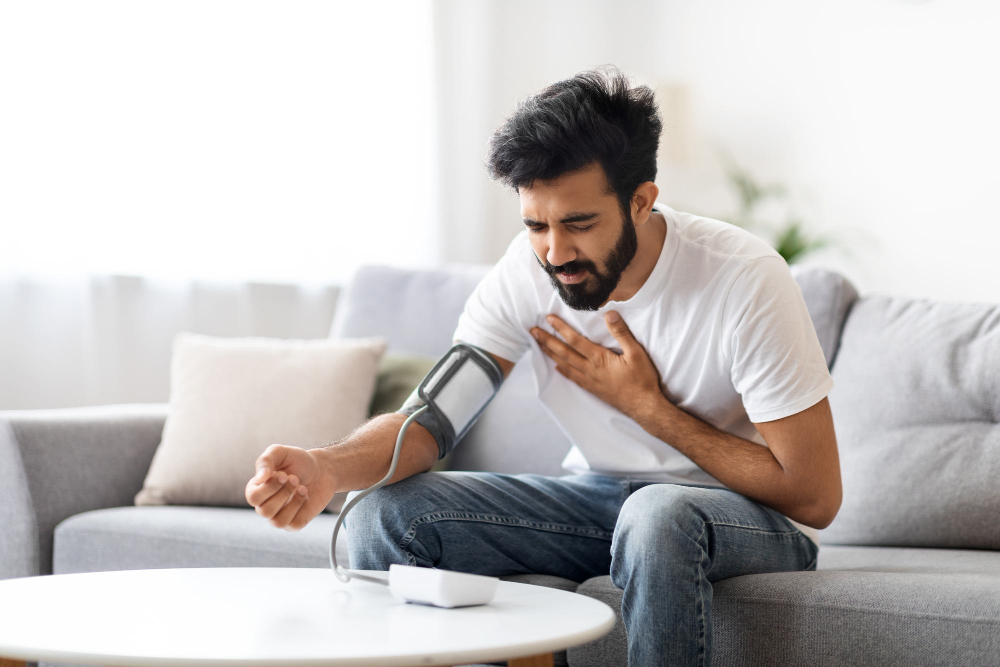
Doctors use a simple test to check your blood pressure. First, they wrap a cuff around your arm. Then, they measure the pressure as your heart beats and rests. Because high blood pressure often has no symptoms, regular checks are key. Sometimes, your doctor may ask you to check your blood pressure at home. This helps track changes over time.
Health Risks Linked to High Blood Pressure
High blood pressure can cause many serious health problems. For instance, it can lead to:
Because these risks are serious, it is important to manage your blood pressure well.
Effective Treatment Options
Doctors often suggest a mix of treatments. For many people, lifestyle changes are the first step. However, some people may also need medicine. Common treatments include:
Your doctor will help you find the best plan for your needs. Sometimes, you may need to try more than one medicine to control your blood pressure.
Lifestyle Changes to Manage High Blood Pressure
Making small changes can help lower blood pressure naturally. For example, you can:
Even small steps can make a big difference over time.
Tips for Prevention
Preventing high blood pressure is possible for many people. To reduce your risk, you can:
Because high blood pressure is a silent condition, regular checks and healthy habits are important for everyone.