
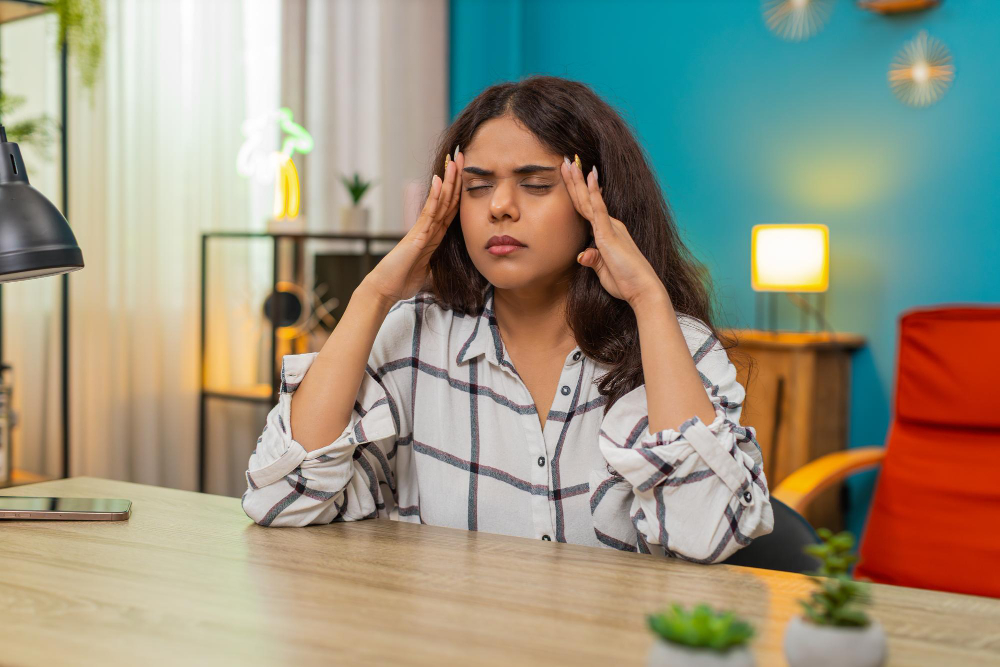
What Is a Headache?
Many people get headaches from time to time. A headache is pain or discomfort in the head or neck. Usually, it feels like a dull or pressing pain. Sometimes, it can be mild. Other times, it can be strong. Most headaches are not dangerous. However, they can still affect your daily life.
What Is a Migraine?
Migraines are a special type of headache. They are more than just head pain. In fact, migraines often come with other symptoms. For example, you may feel sick to your stomach or see flashing lights. Migraines can last for hours or even days. They can make it hard to do normal activities.
Key Differences Between Migraine and Headache
At first, migraines and headaches may seem similar. However, there are clear differences between migraine and headache. Knowing these can help you get the right care.
Symptoms Comparison
Both migraines and headaches cause head pain. Yet, their symptoms are different. Here is how you can tell migraine from headache:
Causes and Triggers
There are many causes of headaches and migraines. However, their triggers can be different. Understanding these can help you avoid attacks.
Diagnosis
Doctors use your symptoms to tell the difference between migraine and headache. They may ask about your pain, how long it lasts, and what makes it better or worse. Sometimes, they may do tests to rule out other problems. However, most of the time, a careful history is enough.
Treatment Options
Both headaches and migraines have treatments. However, the right treatment depends on the type.
If you need migraine treatment in your city, ask your doctor about local options.
Prevention Tips
Preventing headaches and migraines is possible for many people. Here are some tips:
When to See a Doctor
Sometimes, headaches or migraines need medical care. You should see a doctor if:
Early care can help you feel better and rule out serious problems. According to the World Health Organization, most headaches are not dangerous, but some need quick attention.
In summary, knowing the difference between migraine and headache can help you get the right treatment. Consult Dr.Sarish Gade for personalized advice on migraines and headaches.