What Is Trauma Care?
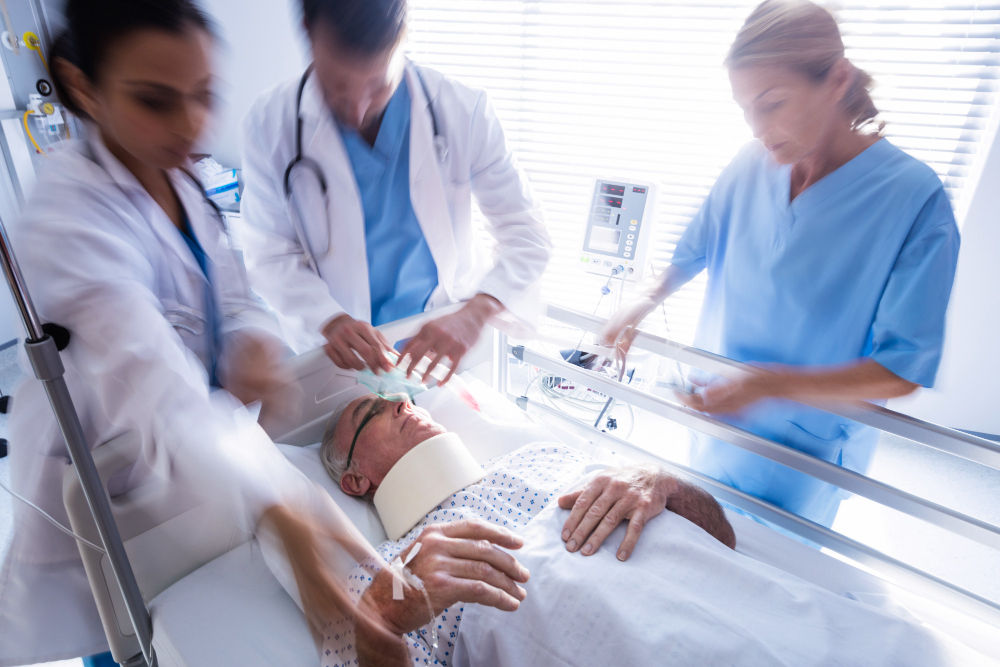
Trauma care is the medical help given after a serious injury. These injuries can happen from accidents, falls, or violence. In many cases, trauma care starts right after the injury. For example, emergency teams may arrive quickly to help. They focus on saving lives and preventing more harm. According to the World Health Organization (WHO), trauma is a leading cause of death worldwide. Because of this, fast and skilled care is very important. Trauma care includes first aid, emergency room treatment, and sometimes surgery. Each step aims to help the person recover as much as possible.
Why Immediate Treatment Matters in Trauma Cases
Immediate trauma treatment can make a big difference. When care is given fast, it can save lives. For instance, stopping bleeding right away helps prevent shock. Quick treatment also lowers the risk of infection. In addition, early care can reduce long-term problems. The Centers for Disease Control and Prevention (CDC) says that many deaths from trauma can be prevented with fast action. This is why fast trauma care is important. Every minute counts when someone is badly hurt. Quick help gives the best chance for recovery.
Common Causes of Traumatic Injuries
Many things can cause traumatic injuries. Some causes are more common than others. For example, car accidents are a leading cause. Falls also lead to many injuries, especially in older adults. In addition, sports injuries can cause trauma. Sometimes, violence or fights result in serious harm. The CDC lists these common causes:
Knowing these risks helps people stay alert and safer each day.
Recognizing Signs That Need Urgent Attention
Some signs show that a person needs emergency injury response right away. For example, heavy bleeding that will not stop is a warning sign. Trouble breathing or chest pain also means help is needed fast. Sometimes, a person may be confused or lose consciousness. Other signs include:
Because these signs can be life-threatening, it is important to act quickly. Early action can save lives and prevent more harm.
Steps to Take in a Trauma Emergency
When someone is hurt, knowing what to do is key. First, stay calm and call emergency services right away. While waiting for help, you can:
Because every second matters, quick and correct steps can help save a life. These actions are part of good trauma care.
How Timely Care Improves Recovery
Timely trauma care helps people heal better and faster. When treatment starts early, it can limit damage to organs or limbs. For example, stopping bleeding quickly can prevent shock. Early care also lowers the risk of infection. In many cases, people have fewer long-term problems if they get help right away. According to medical studies, fast trauma care leads to better outcomes. This is why fast trauma care is important for everyone. Quick action gives the best chance for a full recovery.
Preventing Traumatic Injuries
While not all injuries can be stopped, many can be prevented. For example, wearing seat belts in cars reduces the risk of serious harm. Using helmets during biking or sports also helps. In addition, keeping homes safe by removing tripping hazards can prevent falls. The CDC suggests these tips to lower injury risks:
Because prevention is better than cure, these steps help keep families safe from trauma. Consult Dr. Sarish Gade for trusted guidance and comprehensive care